


Role of Trade Unions in Protecting Worker Rights
In the modern global economy, the relationship between employers and employees is often characterized by a significant power imbalance. While individual workers may find themselves vulnerable to exploitation, unfair treatment, or unsafe conditions, the collective voice of labor has historically served as...
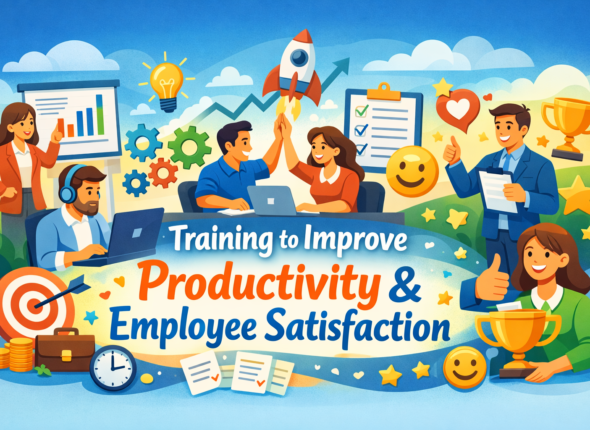
Training to Improve Productivity and Employee Satisfaction
In the contemporary corporate landscape, the traditional boundaries of the workplace are being redrawn by rapid technological advancement and shifting cultural expectations. Organizations today face a dual challenge that often feels like a zero-sum game: the relentless pursuit of higher productivity and...

Continuous Professional Development to Enhance Skills
In the rapidly evolving landscape of the twenty-first century, the traditional model of “learn, then work” has become obsolete. The velocity of technological advancement, particularly with the integration of artificial intelligence and globalized digital economies, has shortened the shelf-life of professional skills....
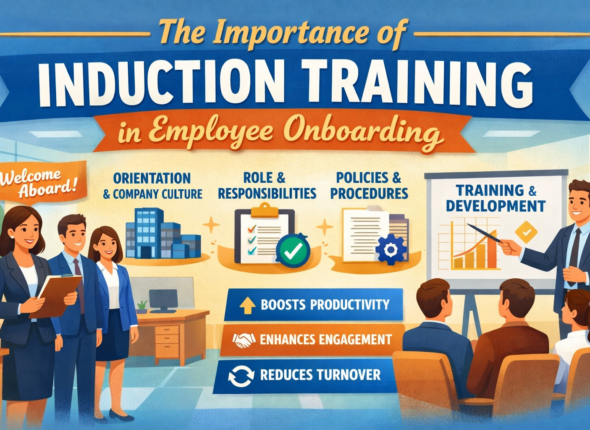
Importance of Induction Training in Employee Onboarding
The first few days and weeks in a new role are pivotal for any employee. Beyond the initial excitement, this period sets the tone for their entire tenure with an organization. It is during this critical phase that induction training emerges as...
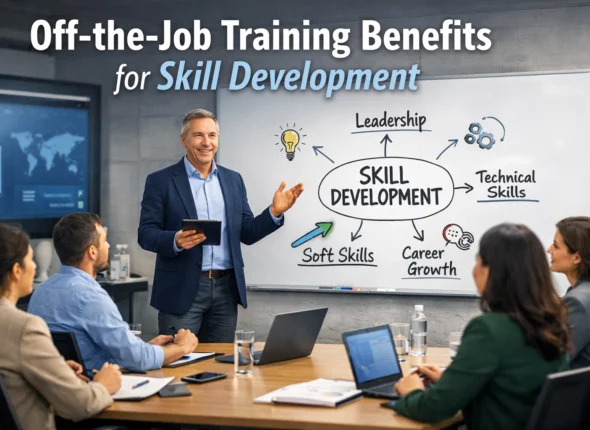
Off-The-Job Training Benefits for Skill Development
In the rapidly evolving landscape of the modern global economy, the traditional paradigms of professional development are undergoing a significant transformation. As industries are disrupted by technological advancements and shifting market demands, the necessity for continuous skill development has never been more...

On-The-Job Training Methods for New Employees
In the contemporary corporate landscape, the transition from recruitment to full productivity is a critical phase that defines both organizational efficiency and employee retention. While academic qualifications and previous experience provide a foundation, the specific nuances of a role are best mastered...

Role of References and Background Checks in Hiring
In the high-stakes world of talent acquisition, every decision carries significant weight. A single misstep in the hiring process can cost a company financially and damage productivity, morale, and reputation. With an estimated 95% of U.S. businesses leveraging background checks, organizations are...

Advantages of Structured Interviews in Recruitment
In the competitive world of recruitment, making the right hiring decision is crucial. Every hire has the potential to either propel your company forward or hold it back. While traditional, unstructured interviews have long been the norm, a more methodical approach has...
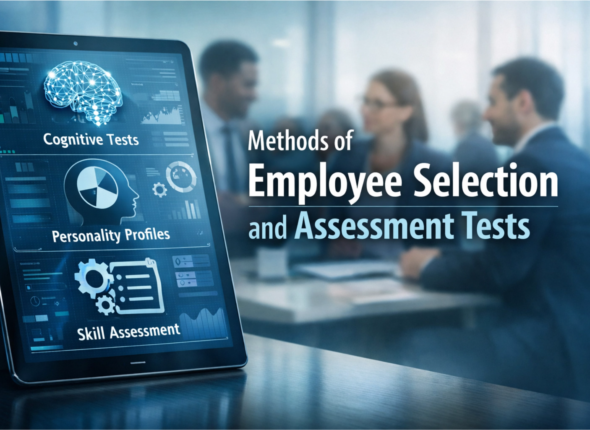
Methods of Employee Selection and Assessment Tests
In today’s competitive talent landscape, organizations are constantly seeking effective strategies to identify and recruit the best candidates. The process of employee selection and the use of assessment tests are critical components in building a high-performing workforce. This blog post delves into...

Impact of Motivation on Employee Productivity
In the contemporary corporate landscape, the quest for peak productivity has moved beyond mere technological optimization and process refinement. While advanced tools and streamlined workflows are essential, the human element remains the most volatile yet potent variable in the productivity equation. At...