

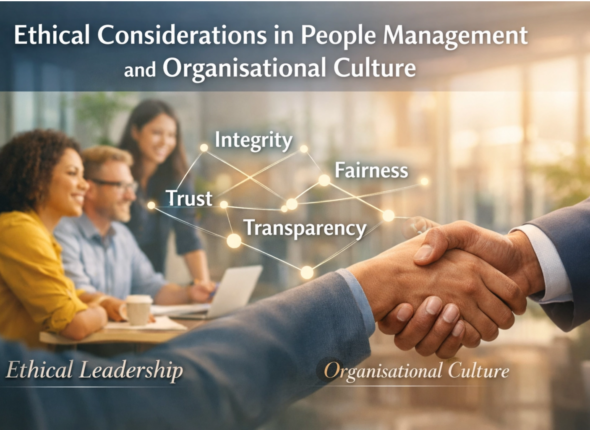
Ethical Considerations in People Management and Organisational Culture
In the rapidly evolving landscape of the mid-2020s, the definition of corporate success has undergone a fundamental transformation. No longer is it sufficient for organizations to measure performance solely through the lens of quarterly earnings or market share. Instead, the focus has...

How CIPD Professional Standards Influence HR Decision-Making
In today’s dynamic organizational landscape, the efficacy of Human Resources (HR) decision-making is paramount, directly impacting not only the strategic success of businesses but also the well-being and engagement of their most valuable asset: their people. Effective HR decisions foster a productive...
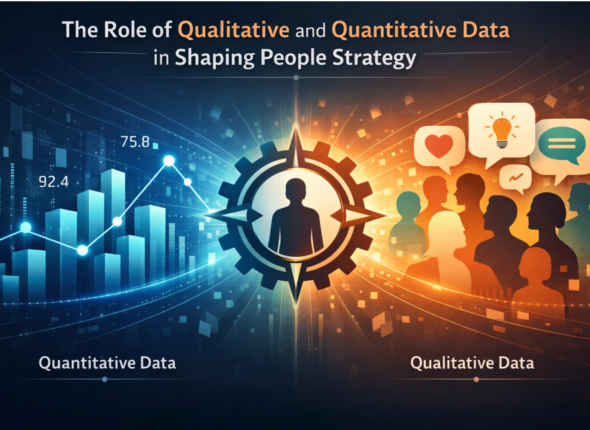
Role of Qualitative and Quantitative Data in Shaping People Strategy
In the contemporary corporate landscape, the function of Human Resources has undergone a profound metamorphosis. No longer confined to the administrative periphery of payroll and compliance, modern HR—often rebranded as People Operations—has emerged as a core strategic driver. Central to this evolution...

Schein’s Model in Practice and its CIPD Relevance
Organizational culture, often described as “the way things are done around here,” is a powerful, yet frequently intangible, force that shapes an organization’s identity, guides employee behavior, and ultimately influences its success. In today’s dynamic business landscape, understanding and managing this culture...
Impact of Digitalisation on Skills Required in Business
As we navigate the business landscape of 2026, the term “digital transformation” has evolved from a futuristic boardroom buzzword into a lived reality for every sector of the global economy. Digitalisation is no longer a peripheral strategy or a departmental upgrade; it...
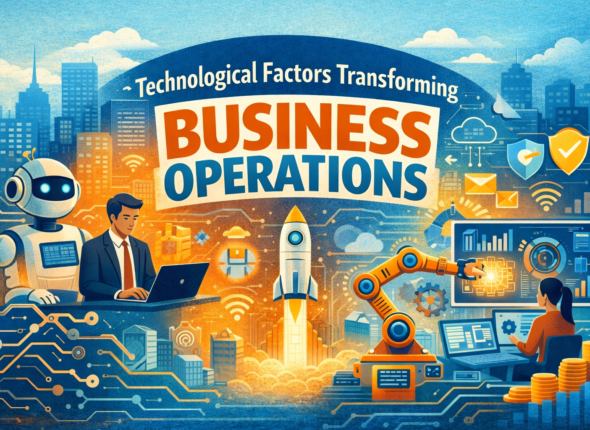
Technological Factors Transforming Business Operations
The Dawn of the Exponential Era In the mid-2020s, the concept of “digital transformation” has evolved from a strategic advantage to a baseline requirement for survival. However, we are now entering a phase characterized not just by digital adoption, but by exponential...
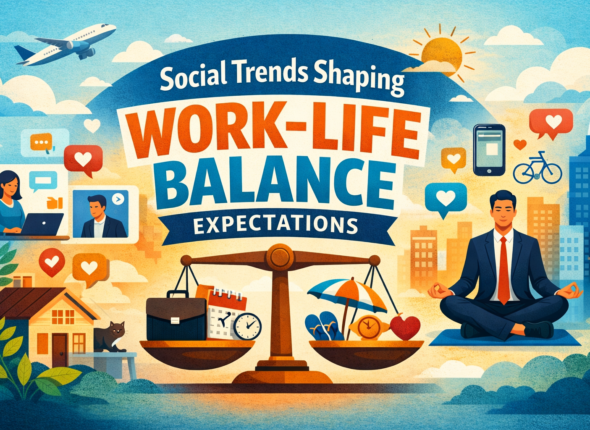
Social Trends Shaping Work-life Balance Expectations
For decades, the concept of “work-life balance” was treated as a personal pursuit—a tightrope walk performed by individual employees trying to juggle professional ambitions with personal sanity. However, as we move through 2026, a profound paradigm shift is underway. The conversation has...
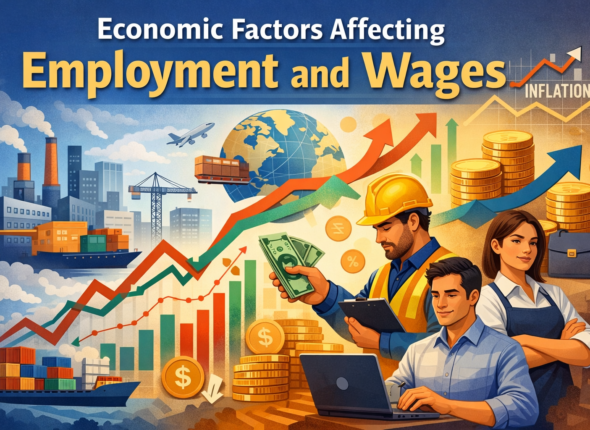
Economic Factors Affecting Employment and Wages
The labor market serves as the primary mechanism through which the fruits of economic activity are distributed among the population. Employment and wages are not merely statistics on a government report; they are the bedrock of social stability, consumer spending, and individual...
Effects of Demographic Change on Labour Supply
The global workforce stands at a critical juncture, facing a structural transformation that will define the economic landscape of the 21st century. Often described as the “demographic time bomb,” this phenomenon is driven by two powerful and intertwined trends: a rapidly aging...
Globalisation and Changes in Employment Practices
Globalisation, characterized by the increasing interconnectedness of economies, cultures, and societies worldwide, has profoundly reshaped the world of work. This intricate process, driven by advancements in technology, communication, and transportation, has blurred geographical boundaries, creating a truly global marketplace for goods, services,...