

Blog

Implications of Zero-Hour Contracts for Employees
Table of Contents In the contemporary labor market, a growing number of employment arrangements have emerged that deviate from the traditional nine-to-five, full-time model. Among these, the zero-hour contract has become a subject of intense debate, celebrated by some for its flexibility...

How Leadership Style Shapes Organisational Culture
Table of Contents Organizational culture, often described as the shared values, beliefs, and practices that characterize an organization, is a powerful determinant of its success and longevity. While many factors contribute to its formation, the influence of leadership stands paramount. Leaders, through...

Ways to Measure Organisational Performance in the Workplace
Table of Contents In today’s dynamic business landscape, understanding and effectively measuring organisational performance is paramount for sustained growth and success. It’s no longer sufficient to merely track activity; instead, the focus has shifted towards quantifying true value creation and strategic impact....
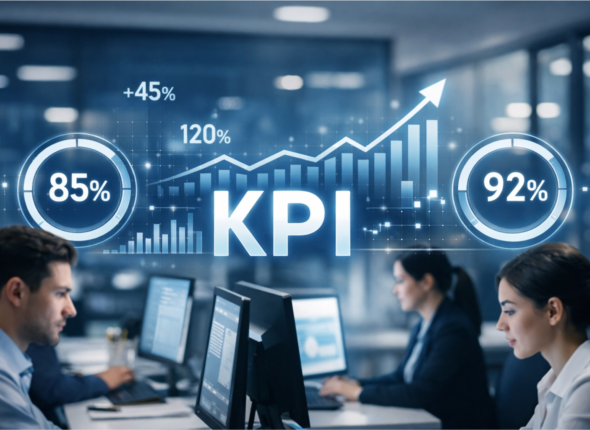
Impact of key Performance Indicators on Employee Productivity
Table of Contents In the contemporary corporate landscape, the quest for peak productivity has moved beyond mere intuition and into the realm of data-driven precision. At the heart of this transformation lies the Key Performance Indicator (KPI)—a quantifiable measure used to evaluate...

High-Performance Working Practices and Business Outcomes
Table of Contents In the modern, hyper-competitive global marketplace, organizations are constantly seeking sustainable sources of competitive advantage. While technological innovation and financial engineering were once the primary levers of growth, the focus has increasingly shifted toward the human element. High-Performance Working...
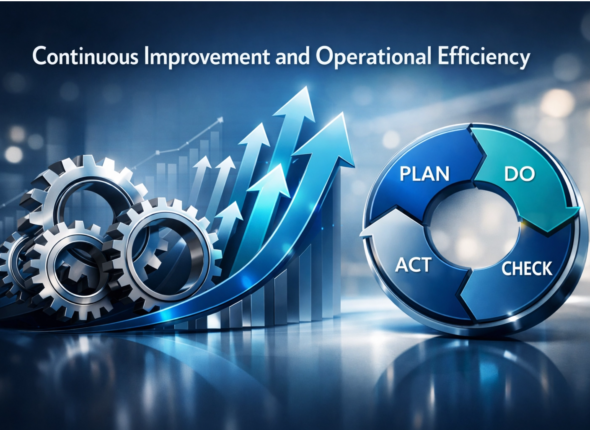
How Continuous Improvement Drives Operational Efficiency
Table of Contents Operational efficiency is the cornerstone of sustainable business growth in an increasingly competitive and volatile global marketplace. It represents the ability of an organization to deliver high-quality products or services using the minimum necessary resources, including time, capital, and...
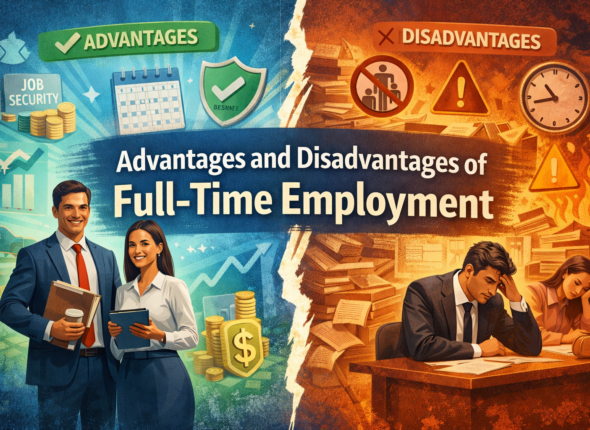
Advantages and Disadvantages of Full-time Employment
Table of Contents The landscape of the modern workforce has undergone a seismic shift over the last decade. With the rise of the gig economy, the proliferation of freelance platforms, and the normalization of remote work, the traditional “9-to-5” full-time role is...
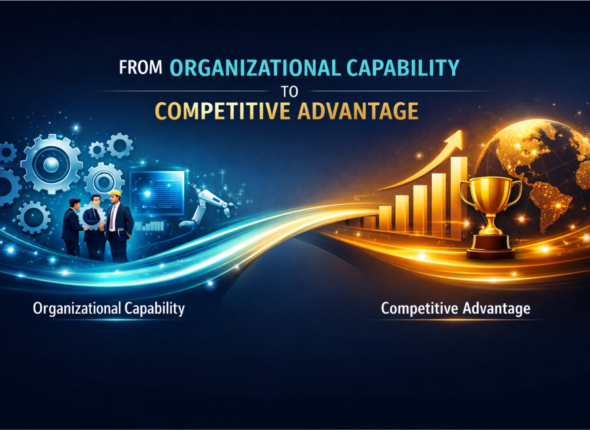
Link Between Organisational Capability and Competitive Advantage
In the hyper-competitive landscape of the twenty-first century, the traditional pillars of business success—exclusive access to raw materials, proprietary technology, or even massive capital reserves—are no longer the insurmountable barriers to entry they once were. Digital transformation, globalized supply chains, and the...
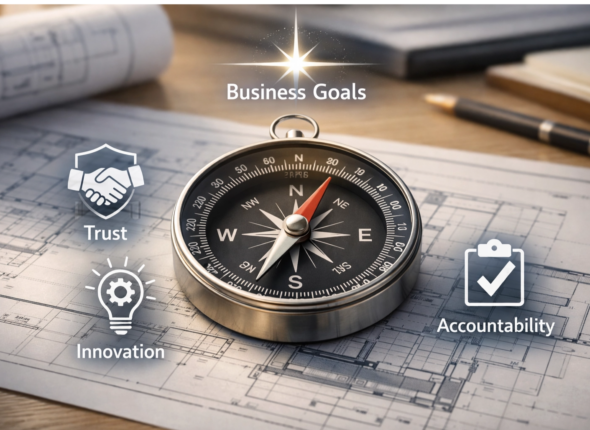
Strategies for Aligning Organisational Culture with Business Objectives
Peter Drucker, the legendary management consultant, famously remarked that “culture eats strategy for breakfast.” This observation has become a cornerstone of modern organizational theory, yet many leaders still struggle to operationalize it. In the high-stakes environment of 21st-century business, the relationship between...
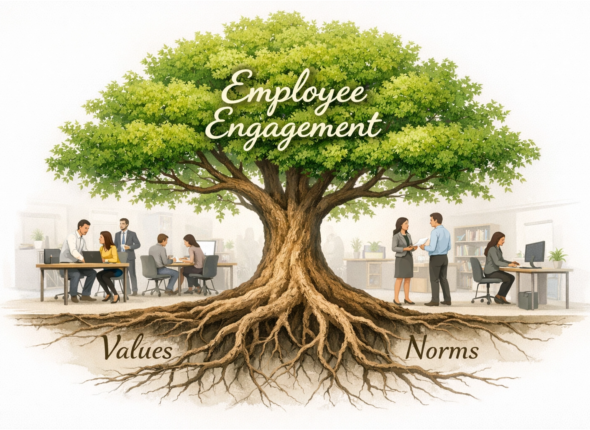
Effect of Shared Values and Norms on Employee Engagement
In the rapidly evolving landscape of the modern workplace, organizations are increasingly finding that traditional incentives—competitive salaries and comprehensive benefit packages—are no longer sufficient to secure the long-term commitment of their workforce. According to a landmark report by Gallup in early 2025,...