

Blog
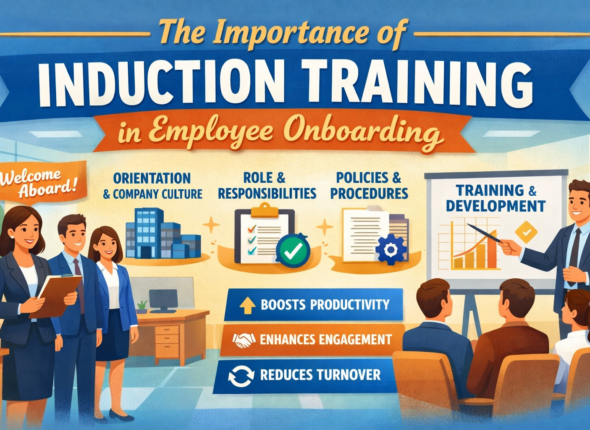
Importance of Induction Training in Employee Onboarding
The first few days and weeks in a new role are pivotal for any employee. Beyond the initial excitement, this period sets the tone for their entire tenure with an organization. It is during this critical phase that induction training emerges as...
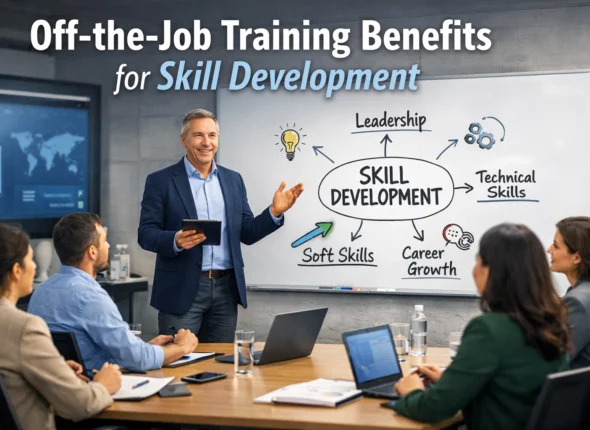
Off-The-Job Training Benefits for Skill Development
In the rapidly evolving landscape of the modern global economy, the traditional paradigms of professional development are undergoing a significant transformation. As industries are disrupted by technological advancements and shifting market demands, the necessity for continuous skill development has never been more...
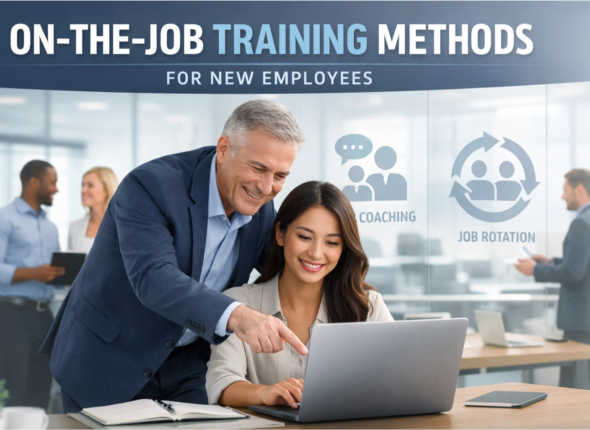
On-The-Job Training Methods for New Employees
In the contemporary corporate landscape, the transition from recruitment to full productivity is a critical phase that defines both organizational efficiency and employee retention. While academic qualifications and previous experience provide a foundation, the specific nuances of a role are best mastered...
Analyse external factors and trends impacting organisations to identify current organisational priorities
Firstly, interest rates have an immediate effect on McDonald’s borrowing. Although the effective interest rate on the company’s debt has gone up a little and is now around 2.9%, minor increases can still affect its profits and choices of investments (Miglo, 2025)....

Role of References and Background Checks in Hiring
In the high-stakes world of talent acquisition, every decision carries significant weight. A single misstep in the hiring process can cost a company financially and damage productivity, morale, and reputation. With an estimated 95% of U.S. businesses leveraging background checks, organizations are...

Advantages of Structured Interviews in Recruitment
In the competitive world of recruitment, making the right hiring decision is crucial. Every hire has the potential to either propel your company forward or hold it back. While traditional, unstructured interviews have long been the norm, a more methodical approach has...
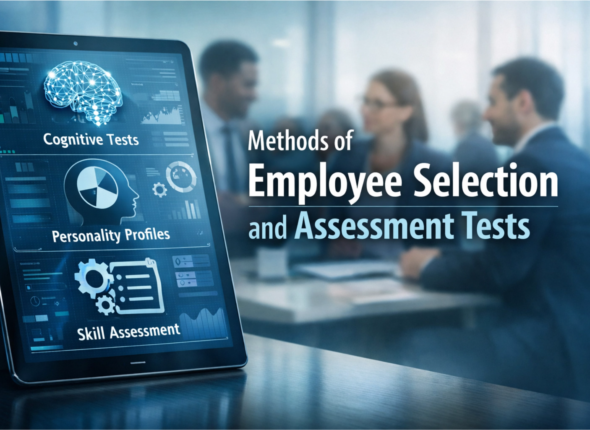
Methods of Employee Selection and Assessment Tests
In today’s competitive talent landscape, organizations are constantly seeking effective strategies to identify and recruit the best candidates. The process of employee selection and the use of assessment tests are critical components in building a high-performing workforce. This blog post delves into...

Impact of Motivation on Employee Productivity
In the contemporary corporate landscape, the quest for peak productivity has moved beyond mere technological optimization and process refinement. While advanced tools and streamlined workflows are essential, the human element remains the most volatile yet potent variable in the productivity equation. At...
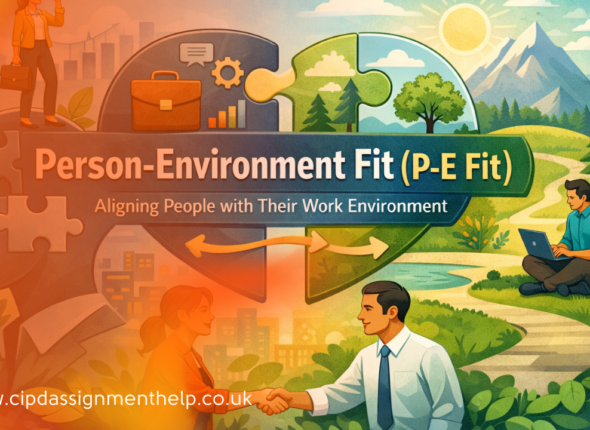
Person-Environment Fit (P-E Fit)
In the dynamic landscape of modern workplaces, understanding the intricate relationship between individuals and their work environments is paramount for fostering both employee well-being and organizational success. One foundational concept that sheds light on this relationship is Person-Environment Fit (P-E Fit). P-E...
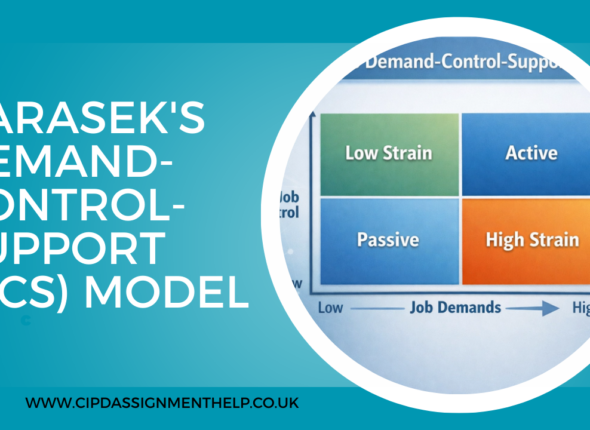
Karasek’s Demand-Control-Support (DCS) Model
In the modern professional landscape, workplace stress has transitioned from a peripheral concern to a central challenge for organizational health and individual well-being. Among the various theoretical frameworks developed to understand this phenomenon, Robert Karasek’s Demand-Control-Support (DCS) Model remains one of the...