

Blog
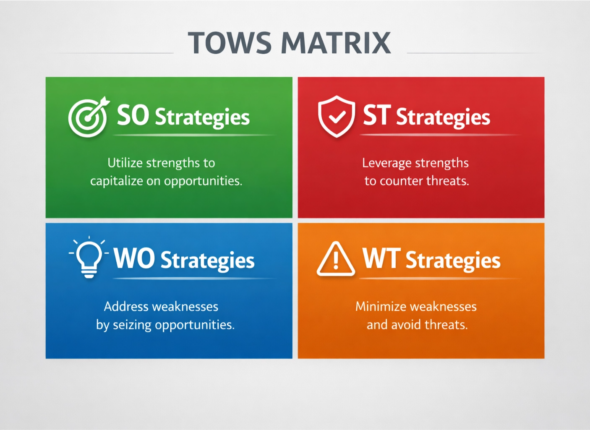
The TOWS Matrix
The TOWS Matrix, developed by Dr. Heinz Weihrich in the 1980s, is a strategic planning tool that builds upon the foundational SWOT (Strengths, Weaknesses, Opportunities, Threats) analysis. While SWOT analysis primarily serves as an analytical framework for identifying internal and external factors...
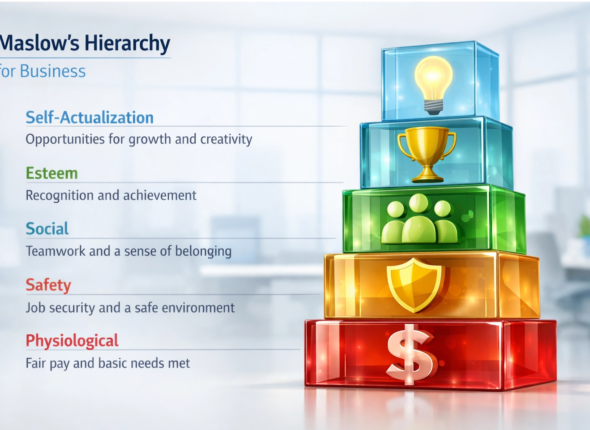
Maslow’s Hierarchy of Needs Applied to Employee Motivation
The Enduring Legacy of Humanistic Psychology Abraham Maslow’s Hierarchy of Needs, first introduced in his 1943 paper “A Theory of Human Motivation,” represents a watershed moment in the transition from behavioral to humanistic psychology . At a time when psychological research was...
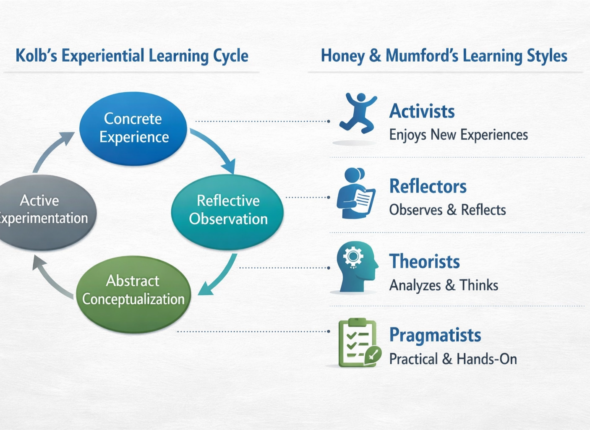
Comparison of Kolb’s Experiential Learning Cycle and Honey & Mumford’s Learning Styles
Table of Contents This article outlines the key differences between David Kolb’s Experiential Learning Cycle and Peter Honey and Alan Mumford’s Learning Styles. While closely related, these models serve distinct purposes in understanding and applying learning theory. 1. Origins and Relationship David...
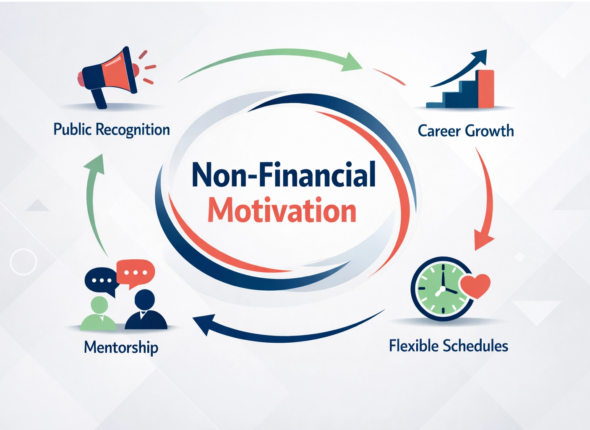
Non-Financial Motivation Strategies in the Workplace
In the high-stakes arena of modern business, a persistent myth continues to drain corporate resources and stifle human potential: the belief that a fatter paycheck is the primary driver of peak performance. While competitive compensation is undeniably essential—serving as the “ticket to...

Financial Incentives to Motivate Employees in Business
In the competitive landscape of modern business, the quest for peak productivity often leads leaders back to a fundamental question: what truly drives an employee to excel? While the modern workplace emphasizes culture, purpose, and flexibility, the role of financial incentives remains...

How Evidence-Based Practice Improves Organisational Decision Making
Table of Contents Executive Summary In an era defined by rapid technological advancement and unprecedented data availability, the ability of an organisation to make sound, reliable decisions is its most critical competitive advantage. Evidence-Based Practice (EBP) has emerged as a transformative framework...
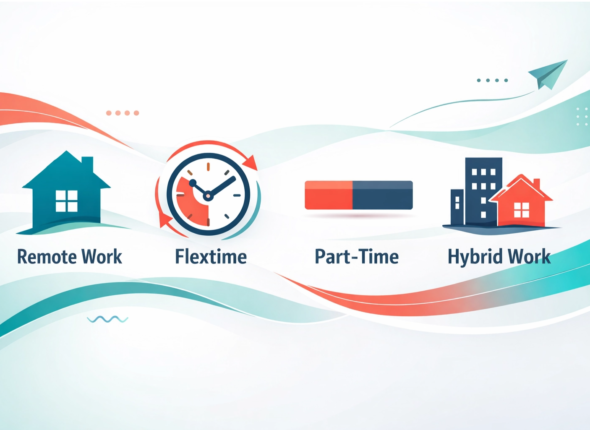
Part-Time Jobs and Flexible Working Options
The traditional image of the professional workplace—a sea of cubicles, the hum of fluorescent lights, and the rigid adherence to a 9-to-5 schedule—is rapidly becoming a relic of the past. For decades, the standard employment model was built on the assumption that...
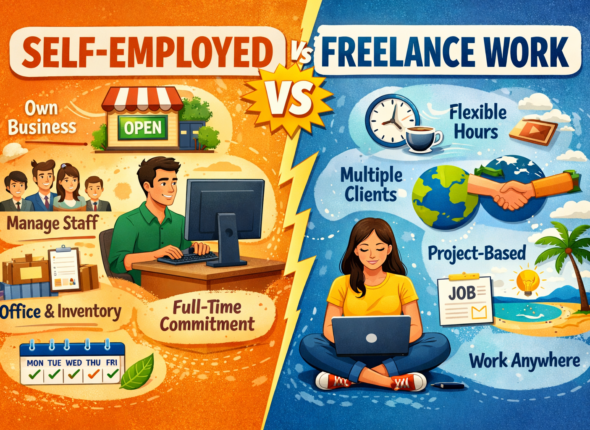
Self-Employed vs Freelance Work Comparison
In the evolving landscape of modern employment, the terms “self-employed” and “freelance” are frequently used interchangeably, often leading to confusion. While both describe individuals working outside traditional employer-employee relationships, a closer examination reveals distinct characteristics, motivations, and operational models that differentiate them....
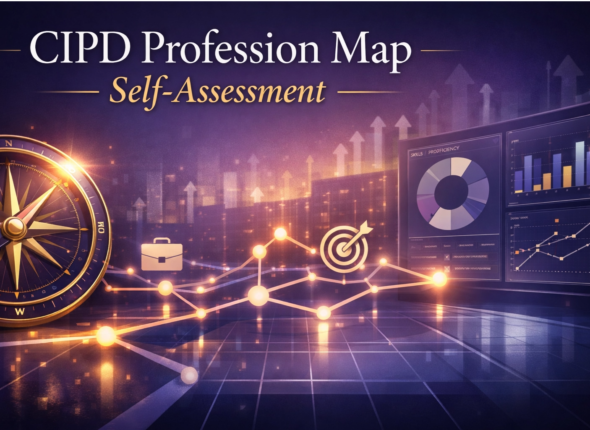
CIPD Profession Map Self Assessment
Table of Contents In the dynamic and ever-evolving world of human resources, continuous professional development (CPD) is not just a recommendation; it is a necessity. For people professionals to effectively navigate the complexities of the modern workplace, they must possess a deep...
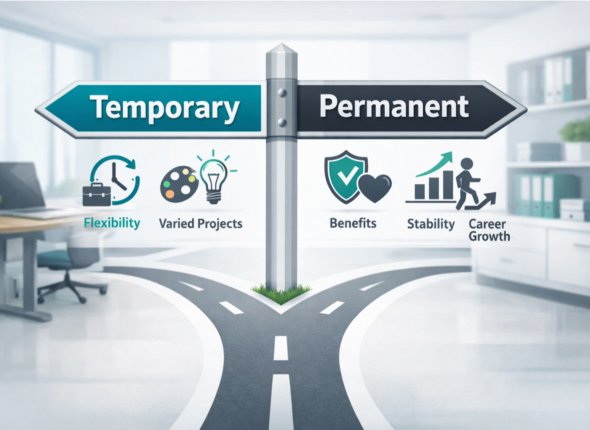
Differences between Temporary and Permanent Contracts
Table of Contents In the rapidly evolving landscape of the 2026 labor market, the traditional “job for life” model has been supplemented by a diverse array of employment arrangements. For both job seekers and employers, understanding the nuances between temporary and permanent...