

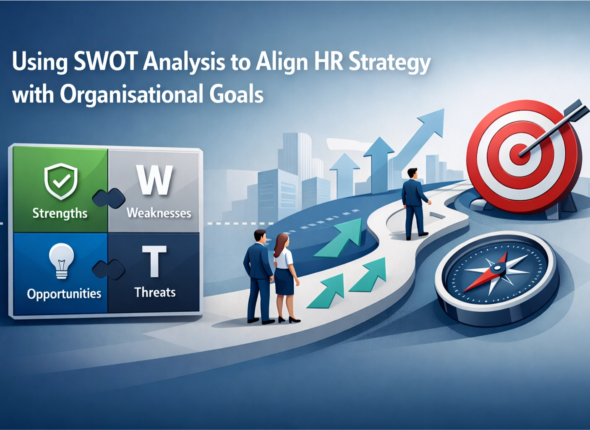
Using SWOT Analysis to Align HR Strategy with Organisational Goals
Table of Contents In today’s rapidly evolving business landscape, the human resources (HR) function has transcended its traditional administrative role to become a critical strategic partner. For organizations to thrive, their HR strategies must be inextricably linked with their overarching business objectives....
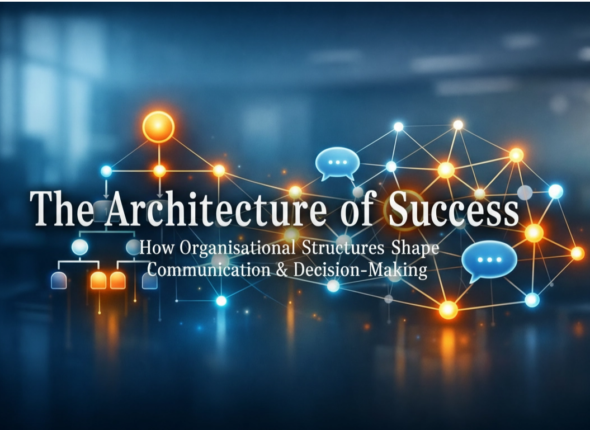
How Organisational Structures Affect Communication and Decision – Making
Table of Contents In the modern corporate landscape, the “shape” of an organisation is far more than a set of lines on an HR chart. It is the invisible nervous system that determines how quickly information travels, who has the power to...

Role of Governance in Maintaining Accountability and Performance
In the complex machinery of modern organizations—be they global corporations, non-profit entities, or public institutions—the concept of governance often occupies a space that is both central and misunderstood. Frequently dismissed as a bureaucratic layer of “red tape” or a mere compliance exercise,...
Alignment of Business Systems with Organisational Strategy
In today’s dynamic business landscape, organizations constantly strive for efficiency, innovation, and sustained growth. A critical, yet often overlooked, element in achieving these aspirations is the alignment of business systems with organizational strategy. This alignment is not merely a technical exercise; it...
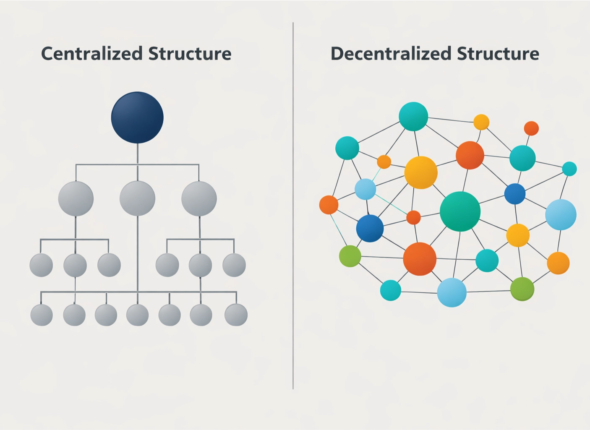
Effect of Centralised Versus Decentralised Structures on Employee Engagement
In the dynamic landscape of modern business, organizations are constantly seeking optimal structures to foster productivity, innovation, and, crucially, employee engagement. The choice between a centralized and a decentralized organizational structure represents a fundamental decision that profoundly impacts how employees interact with...
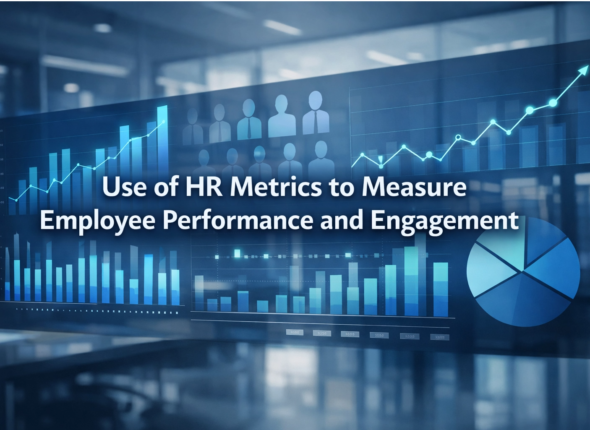
Use of HR Metrics to Measure employee Performance and Engagement
In the rapidly evolving corporate landscape of 2026, the traditional reliance on “gut feeling” and anecdotal evidence for managing human capital has become a relic of the past. Modern organizations recognize that their most valuable asset—their people—must be managed with the same...
How Data-Driven Decision Making Improves Organisational Outcomes
In today’s rapidly evolving business landscape, the ability to make informed and strategic decisions is paramount for organizational success. Data-driven decision-making (DDDM) has emerged as a critical methodology, empowering businesses to leverage insights derived from data rather than relying solely on intuition...
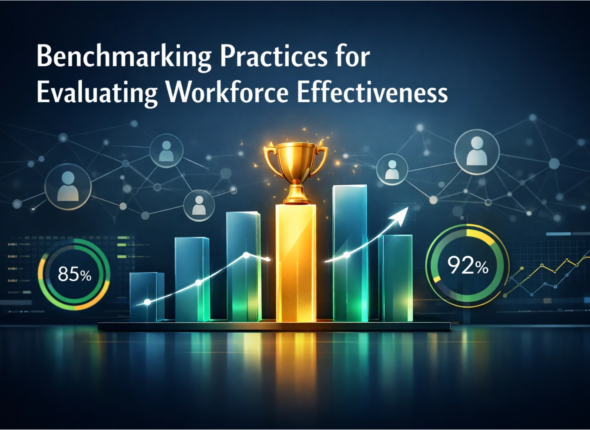
Benchmarking Practices for Evaluating Workforce Effectiveness
In the contemporary business environment, the traditional metrics of success are undergoing a profound transformation. As organizations navigate the complexities of digital transformation, shifting demographic expectations, and a volatile global economy, the focus has shifted from mere workforce management to the pursuit...

Impact of Professional Integrity on Employee Trust and Engagement
In the contemporary corporate landscape, where volatility and rapid change are the only constants, organizations are increasingly finding that their most valuable currency is not capital or technology, but trust. However, trust does not emerge in a vacuum. It is the direct...
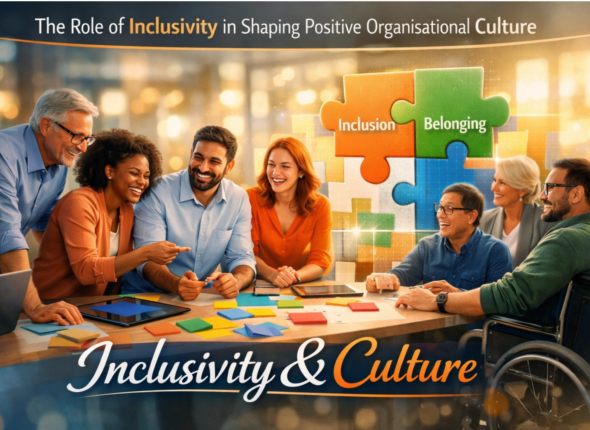
Role of Inclusivity in Shaping Positive Organisational Culture
In today’s dynamic global landscape, the concept of inclusivity has transcended mere corporate buzzword status to become a foundational pillar of successful and sustainable organizational culture. An inclusive workplace is not merely a desirable attribute; it is a strategic imperative that profoundly...