

How Data-Driven Decision Making Improves Organisational Outcomes
In today’s rapidly evolving business landscape, the ability to make informed and strategic decisions is paramount for organizational success. Data-driven decision-making (DDDM) has emerged as a critical methodology, empowering businesses to leverage insights derived from data rather than relying solely on intuition...

Impact of Professional Integrity on Employee Trust and Engagement
In the contemporary corporate landscape, where volatility and rapid change are the only constants, organizations are increasingly finding that their most valuable currency is not capital or technology, but trust. However, trust does not emerge in a vacuum. It is the direct...
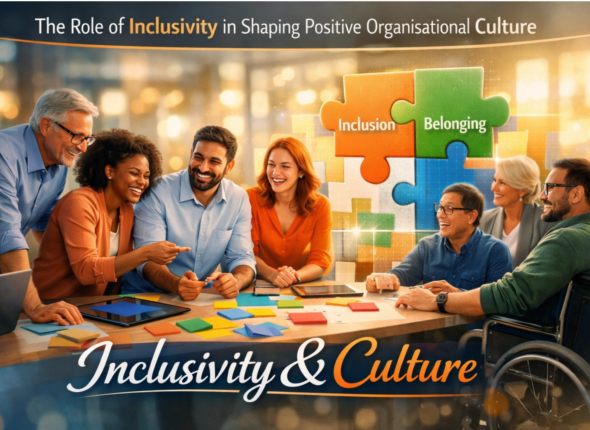
Role of Inclusivity in Shaping Positive Organisational Culture
In today’s dynamic global landscape, the concept of inclusivity has transcended mere corporate buzzword status to become a foundational pillar of successful and sustainable organizational culture. An inclusive workplace is not merely a desirable attribute; it is a strategic imperative that profoundly...
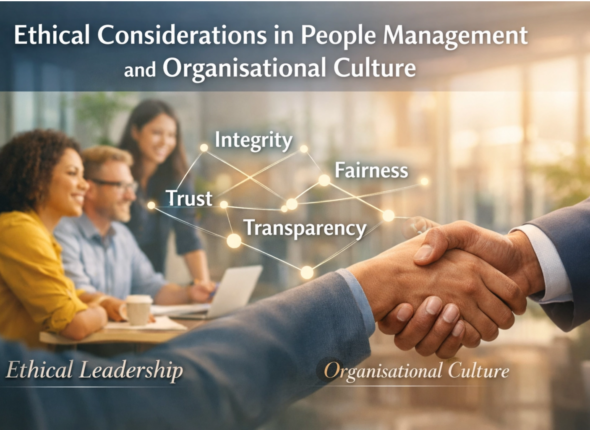
Ethical Considerations in People Management and Organisational Culture
In the rapidly evolving landscape of the mid-2020s, the definition of corporate success has undergone a fundamental transformation. No longer is it sufficient for organizations to measure performance solely through the lens of quarterly earnings or market share. Instead, the focus has...

How CIPD Professional Standards Influence HR Decision-Making
In today’s dynamic organizational landscape, the efficacy of Human Resources (HR) decision-making is paramount, directly impacting not only the strategic success of businesses but also the well-being and engagement of their most valuable asset: their people. Effective HR decisions foster a productive...
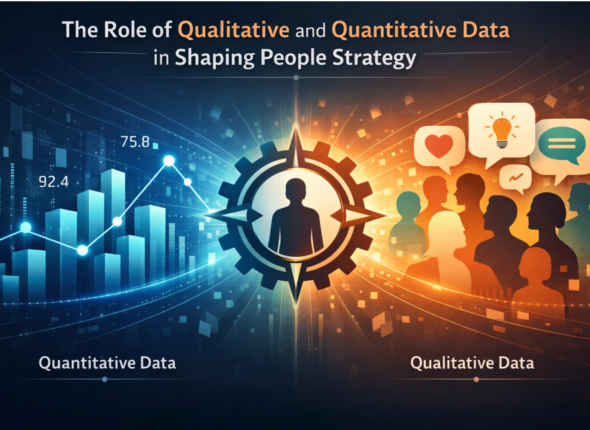
Role of Qualitative and Quantitative Data in Shaping People Strategy
In the contemporary corporate landscape, the function of Human Resources has undergone a profound metamorphosis. No longer confined to the administrative periphery of payroll and compliance, modern HR—often rebranded as People Operations—has emerged as a core strategic driver. Central to this evolution...

Schein’s Model in Practice and its CIPD Relevance
Organizational culture, often described as “the way things are done around here,” is a powerful, yet frequently intangible, force that shapes an organization’s identity, guides employee behavior, and ultimately influences its success. In today’s dynamic business landscape, understanding and managing this culture...
Analyse external factors and trends impacting organisations to identify current organisational priorities
Firstly, interest rates have an immediate effect on McDonald’s borrowing. Although the effective interest rate on the company’s debt has gone up a little and is now around 2.9%, minor increases can still affect its profits and choices of investments (Miglo, 2025)....
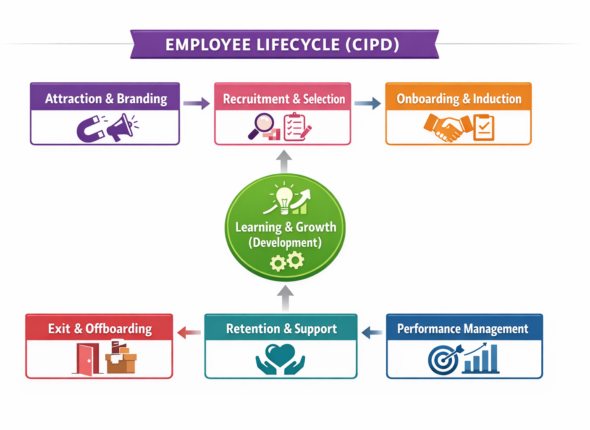
CIPD Employee Lifecycle Diagram
The employee lifecycle, as commonly outlined in HR practice and supported by guidance from the CIPD, represents the complete journey an employee takes from the moment they encounter an organisation to the point they leave it. Understanding this lifecycle helps HR teams...
5CO02 Assignment Answers
Table of Contents Task One – Briefing Paper AC 1.1 Evaluating Evidence-Based Practice for Effective Decision-Making in Organizations Evidence-Based Practice (EBP) is a methodical approach to decision-making that addresses organisational challenges and improves human practices by integrating trustworthy data, expert expertise, and...