

Individuals facing major organisational change experience emotions described by the Kübler-Ross change curve (Prosci, 2024). This model fits Unilever’s workplace transitions from remote working to hybrid or on-site working. Employees start with Shock or Denial (Prosci, 2024). The task force in Unilever struggles to believe the change is real or will affect them. For example, Unilever employees might initially ignore a sudden reorganisation to initiate on-site work rather than work from home. This reaction provides mental protection against uncertainty. As understanding grows, Anger emerges (Tahir, 2019). Employees get lost and fear negative outcomes that would result from change. They might blame management or express frustration openly. In the Unilever example, anger could focus on altered roles or departing leaders. This resistance or criticism is a natural response to losing familiar ways (Jackson, 2023).
Next, people find themselves in a Bargaining stage. Employees seek ways to avoid or alter the change (Prosci, 2024). They propose alternatives or delays, hoping to regain some control. Unilever staff might ask to keep working remotely to avoid commuting expenses because travelling to the workplace still requires money. This shows movement beyond denial but not full acceptance. When bargaining fails, a period of Depression or low mood can follow (Tahir, 2019; Jackson, 2023). This involves feelings of sadness and helplessness, not clinical illness. Morale and productivity are reduced. Unilever employees might disengage if confused in the new mode of working and new roles after the reorganisation. This is where employees require support from managers and HR.
Finally, people reach acceptance with time and after supportive change management. Employees adjust to the new reality of working on-site (Tahir, 2019). They start exploring how to succeed in the change. Behaviour changes towards engagement. A Unilever employee might acknowledge understanding the new working system or structure (Prosci, 2024). This stage leads to commitment, where people support the change. The change then becomes normal organisational practice.
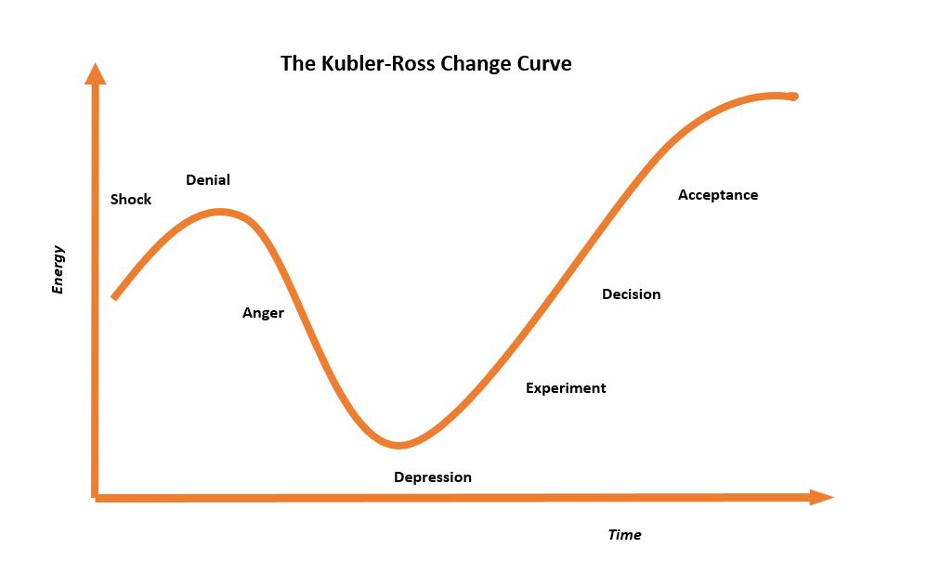
Figure 1: Kübler-Ross change curve (Tahir, 2019)
References.
Prosci (2024). Applying the Kubler-Ross change curve to change management. [online] Prosci.com. Available at: https://www.prosci.com/blog/kubler-ross-model-change-management.

Tahir, U. (2019). Kubler Ross change curve model. [online] Change Management Insight. Available at: https://changemanagementinsight.com/kubler-ross-change-curve-model/.

Jackson, B. (2023). HR Magazine - outstanding balance: Why HR must learn to be sure-footed on the change curve (part one). [online] HR Magazine. Available at: https://www.hrmagazine.co.uk/content/features/outstanding-balance-why-hr-must-learn-to-be-sure-footed-on-the-change-curve-part-one/.