

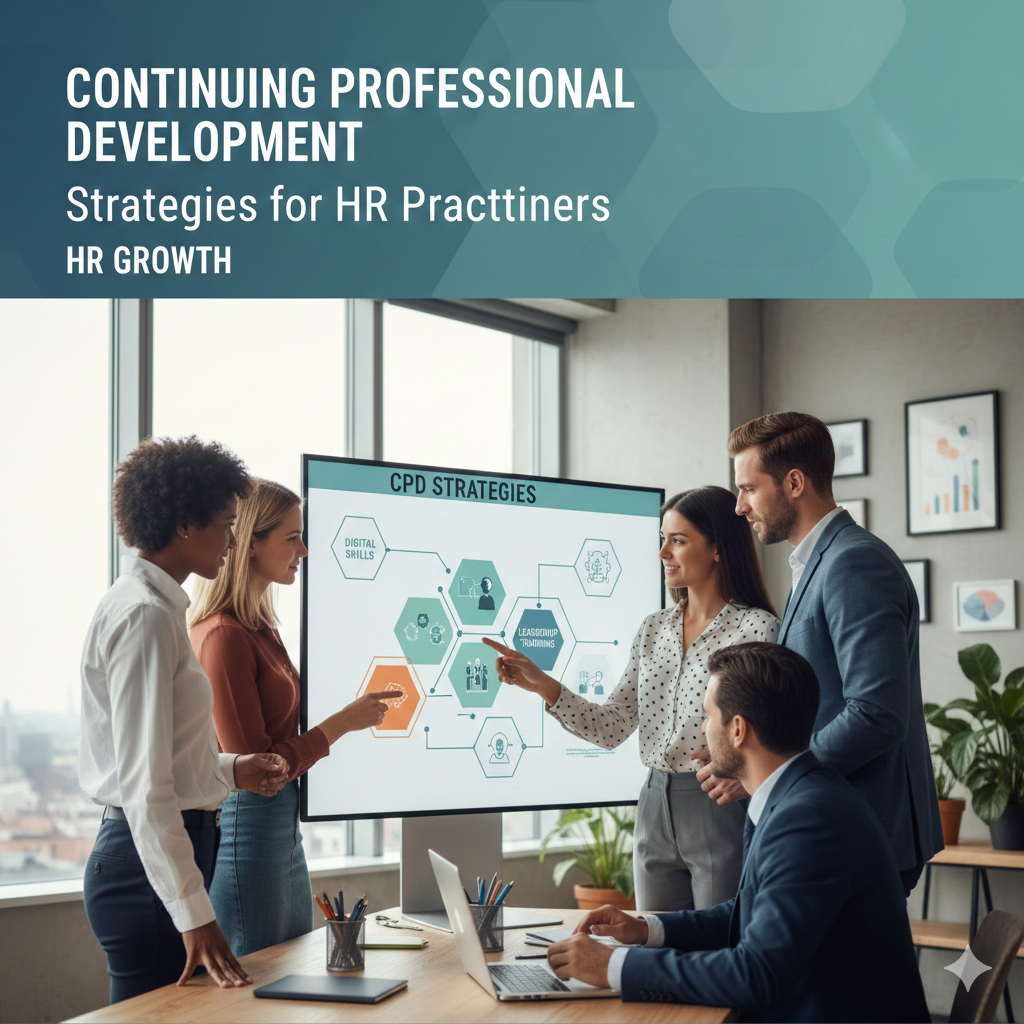
In the dynamic world of Human Resources, change is the only constant. From evolving labor laws and technological disruptions to shifting employee expectations, the HR landscape is in a perpetual state of transformation. For HR practitioners, standing still is not an option. Continuous Professional Development (CPD) has evolved from a professional courtesy to an absolute necessity for navigating this complex environment effectively. This article explores the importance of CPD for HR professionals and outlines key strategies to foster a career of continuous growth and impact.
The Imperative of CPD in Modern HR
Continuing Professional Development is the structured, ongoing process of learning and development that ensures professionals maintain and enhance their skills, knowledge, and competencies throughout their careers. For HR practitioners, this commitment to lifelong learning is critical for several reasons. The field is directly impacted by shifts in technology, legal frameworks, and business strategies. A proactive approach to CPD allows HR professionals to not only keep pace with these changes but also to anticipate them, thereby minimizing resistance to change and effectively managing uncertainty within their organizations.
Moreover, a dedicated focus on CPD directly addresses the widening skills gap. As organizations grapple with talent shortages and the need for new capabilities, HR is at the forefront of building a future-ready workforce. A 2025 report highlighted that 84% of organizations believe a strong learning culture is key to enhancing organizational resilience and fostering a better workplace culture. By investing in their own development, HR professionals can better lead the charge in creating these learning environments.
Core CPD Strategies for HR Practitioners
A robust CPD strategy is multifaceted, incorporating a blend of formal education, workplace learning, and self-directed initiatives. The most effective plans are personalized to an individual’s career goals, current role, and the strategic needs of their organization.
|
Strategy Type
|
Examples
|
Key Benefits
|
|
Structured Learning
|
Formal qualifications (e.g., SHRM-CP, CIPD), online courses, workshops, webinars, and industry certifications.
|
Provides foundational knowledge, recognized credentials, and specialized expertise.
|
|
Workplac Learning
|
Mentoring and coaching programs, job rotations, stretch assignments, and involvement in special projects.
|
Offers practical, hands-on experience and application of skills in a real-world context.
|
|
Self-Directed Learning
|
Reading industry publications, creating a Personal Development Plan (PDP), and following thought leaders.
|
Fosters autonomy, allows for personalized learning paths, and encourages proactivity.
|
|
Collaborative Learning
|
Networking at conferences, participating in professional communities, and joining peer learning groups.
|
Facilitates knowledge sharing, provides diverse perspectives, and builds a professional network.
|
Creating a Personal Development Plan (PDP)
A cornerstone of effective CPD is the Personal Development Plan. This document serves as a roadmap for your professional growth. Best practices for creating a PDP involve several key steps:
- Skills Analysis: Begin by reflecting on your current skills, knowledge, and career aspirations. Reviewing past performance feedback and assessing upcoming industry trends can help identify critical areas for development.
- Goal Setting: Translate your development needs into SMART (Specific, Measurable, Achievable, Relevant, Time-bound) goals. These goals should align with both your personal career path and your organization’s strategic objectives.
- Action Planning: Identify the specific activities, resources, and learning methods you will use to achieve your goals. This could include a mix of the strategies outlined in the table above.
- Tracking and Evaluation: Regularly track your progress against your PDP. This allows you to stay accountable, make adjustments as needed, and recognize your achievements.
Leveraging Professional Certifications
Professional certifications are a powerful way to validate your expertise and demonstrate your commitment to the HR profession. Several globally recognized bodies offer credentials for HR practitioners.
- SHRM (Society for Human Resource Management): Offers the SHRM-CP (Certified Professional) for operational HR professionals and the SHRM-SCP (Senior Certified Professional) for senior-level, strategic practitioners .
- CIPD (Chartered Institute of Personnel and Development): As the professional body for HR and people development in the UK, CIPD offers a range of qualifications from foundational to advanced strategic levels.
- HRCI (HR Certification Institute): For over 50 years, HRCI has offered a suite of certifications that validate skills and knowledge across all areas of HR practice .
Building a Culture of Continuous Learning
While individual commitment is crucial, organizations play a vital role in fostering an environment where CPD can thrive. HR leaders are uniquely positioned to champion a culture of continuous learning. According to research from SHRM, this involves several key actions :
- Set the Tone: Leadership must clearly communicate that learning is a priority for everyone in the organization.
- Make it Simple: Provide employees with the time, resources, and accessible platforms to engage in learning activities during their workday.
- Meet Learners Where They Are: Offer a variety of learning formats—from microlearning modules to in-depth courses—to cater to different learning styles and preferences.
- Prove the Impact: Track and share metrics that demonstrate the return on investment for learning and development, linking it to both individual performance and overall business success.
For HR practitioners, Continuing Professional Development is not just about acquiring new skills; it is about cultivating a mindset of curiosity, adaptability, and proactive growth. By embracing a holistic approach that combines structured learning, on-the-job experience, and collaborative networking, HR professionals can not only advance their own careers but also drive meaningful change within their organizations. In an era defined by rapid change, the most valuable asset an HR professional can possess is a commitment to lifelong learning.