

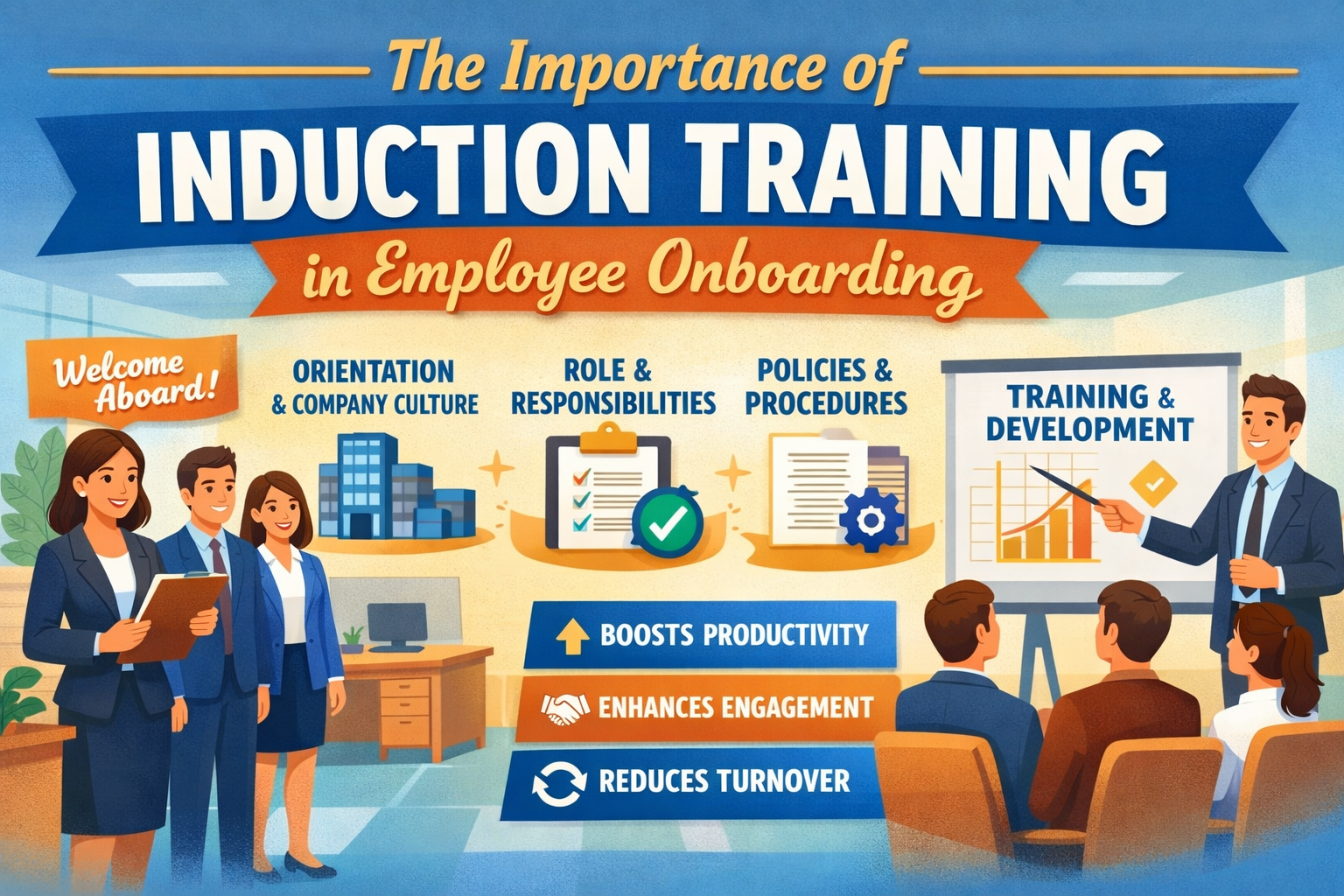
The first few days and weeks in a new role are pivotal for any employee. Beyond the initial excitement, this period sets the tone for their entire tenure with an organization. It is during this critical phase that induction training emerges as an indispensable component, acting as the foundational gateway through which new hires are introduced to their new professional home. Far from being a mere formality, a well-structured induction program is a strategic investment that profoundly influences an employee’s immediate productivity, long-term engagement, and overall success within the company.
Induction vs. Onboarding: Understanding the Nuance
While often used interchangeably, induction and onboarding represent distinct yet interconnected phases of integrating a new employee. Understanding this nuance is crucial for designing effective integration strategies.
Induction training is typically a short-term, tactical process, often spanning the first few days or weeks. Its primary focus is to provide new employees with the immediate, essential information and resources needed to begin their role. This includes familiarization with the physical workspace (or virtual equivalent), immediate team introductions, basic administrative procedures, and an overview of company policies and safety protocols . It is about getting the new hire up to speed on the fundamental operational aspects of their job and the organization.
Conversely, employee onboarding is a more comprehensive, strategic, and long-term process that can extend for several months, or even up to a year. Onboarding encompasses a broader spectrum of activities aimed at fully integrating an employee into the company culture, values, and strategic objectives. It involves continuous support, performance management, career development discussions, and fostering social connections within the organization . Onboarding is about nurturing a new hire’s growth and ensuring their sustained contribution and alignment with the company’s long-term vision.
The relationship between the two is symbiotic: induction is a critical subset and the initial, intensive phase of the broader onboarding journey. One cannot truly succeed without the other; a robust induction lays the groundwork for a successful, extended onboarding experience, ensuring that new employees feel supported, informed, and valued from day one.
The Strategic Importance of Induction Training
Effective induction training is not merely a cost center but a strategic imperative that yields significant returns for organizations. Its impact resonates across several key areas:
Boosting Productivity
One of the most immediate benefits of a well-executed induction program is the accelerated path to productivity for new hires. By providing clear guidance, necessary tools, and foundational knowledge from the outset, induction training significantly shortens the learning curve. New employees who receive comprehensive induction are better equipped to understand their roles, responsibilities, and how their contributions fit into the larger organizational goals. This proactive approach minimizes confusion, reduces errors, and allows new hires to become fully functional and contribute meaningfully much faster than those left to navigate a new environment on their own.
Enhancing Retention
Employee turnover, especially in the early stages of employment, can be incredibly costly for businesses, encompassing recruitment expenses, lost productivity, and morale impacts. Induction training plays a crucial role in mitigating this risk. Studies consistently show that organizations with structured onboarding programs experience significantly higher new-hire retention rates . When new employees feel welcomed, supported, and adequately prepared, their job satisfaction increases, and their likelihood of seeking opportunities elsewhere diminishes. A positive initial experience fostered by effective induction can transform a new hire into a loyal, long-term asset.
Cultural Alignment
Beyond technical skills and job-specific knowledge, induction training is a powerful tool for embedding new employees within the company culture. It provides an opportunity to articulate the organization’s mission, vision, values, and expected behaviors. This early exposure helps new hires understand the
“why” behind the work, fostering a sense of belonging and purpose. When employees understand and align with the company culture from the outset, they are more likely to be engaged, motivated, and contribute positively to the workplace environment.
Compliance and Risk Management
In today’s complex regulatory landscape, ensuring compliance with various legal and ethical standards is paramount. Induction training serves as a critical platform for communicating essential policies and procedures related to workplace safety, data privacy, harassment prevention, and other regulatory requirements. By providing clear, consistent, and documented training on these crucial areas, organizations can significantly reduce their exposure to legal risks, ensure a safe working environment, and uphold their ethical responsibilities . This proactive approach protects both the employee and the organization.
Building Confidence
Starting a new job can be an overwhelming experience, often accompanied by anxiety and uncertainty. Effective induction training acts as a powerful antidote to these feelings, fostering confidence in new hires. By systematically introducing them to their roles, colleagues, and the organizational environment, induction helps demystify the unknown. When employees feel adequately prepared and supported, they are more likely to embrace challenges, ask questions, and actively participate, leading to a more positive and productive start to their employment .
Essential Elements of a High-Impact Induction Program
To maximize the benefits of induction training, programs should be thoughtfully designed to include several key components:
The “Welcome” Experience
The initial welcome sets the tone. This goes beyond paperwork and includes personalized greetings, a clean and prepared workspace, and immediate introductions to key team members. A warm and organized welcome makes new hires feel valued and integrated from day one.
Company Overview (History, Mission, Vision)
Providing a comprehensive overview of the company’s history, its founding principles, current mission, and future vision helps new employees understand the organization’s journey and aspirations. This context is vital for aligning individual efforts with broader corporate objectives.
Policy and Procedure Deep-Dive
Clear communication of company policies (e.g., HR policies, IT usage, communication protocols) and operational procedures is essential. This ensures that new hires understand the rules of engagement and how to navigate daily operations effectively.
Role-Specific Technical Training
While general induction covers broad organizational aspects, dedicated role-specific training is crucial. This involves hands-on instruction for the tools, systems, and processes directly relevant to the new employee’s job function, enabling them to perform their duties competently.
Social Integration (The Buddy System)
Facilitating social integration is often overlooked but is incredibly important. Implementing a “buddy system” or assigning a mentor can help new hires navigate informal workplace dynamics, answer questions they might be hesitant to ask their manager, and build early connections, fostering a sense of belonging.
Adapting to the Modern Workplace
The nature of work has evolved, and induction training must adapt to these changes, particularly with the rise of remote and hybrid work models.
Remote and Hybrid Induction Challenges
Inducting remote or hybrid employees presents unique challenges, such as ensuring equitable access to information, fostering virtual connections, and maintaining engagement without in-person interaction. Programs must be designed to bridge geographical gaps and create an inclusive experience for all.
Leveraging Technology (LMS, Video, Interactive modules)
Technology plays a pivotal role in modern induction. Learning Management Systems (LMS) can deliver standardized content, track progress, and provide interactive modules. Video conferencing, virtual tours, and gamified learning experiences can enhance engagement and accessibility for distributed teams.
Personalization vs. Standardization
Striking a balance between standardized core content and personalized learning paths is key. While certain information is universal, tailoring aspects of the induction to an individual’s role, department, and prior experience can make the training more relevant and impactful.
Measuring Success
To ensure the ongoing effectiveness of induction training, organizations must implement mechanisms for measuring its success and gathering feedback.
Key Performance Indicators (KPIs) for Induction
Relevant KPIs include new-hire retention rates (especially within the first 3, 6, and 12 months), time to productivity, employee engagement scores, and compliance rates. Tracking these metrics provides tangible evidence of the program’s impact.
Gathering Feedback from New Hires
Regularly soliciting feedback from new employees through surveys, one-on-one check-ins, and focus groups is invaluable. This direct input helps identify areas for improvement, ensures the program remains relevant, and demonstrates to new hires that their experience is valued.
Induction training is far more than an administrative chore; it is a strategic cornerstone of successful employee onboarding and, by extension, organizational success. By investing in comprehensive, engaging, and adaptive induction programs, companies can significantly enhance new-hire productivity, boost retention, cultivate a strong company culture, ensure compliance, and build confident, engaged employees from their very first day. In an increasingly competitive talent landscape, a superior induction experience is not just a benefit—it is a necessity, offering a substantial return on investment and laying the groundwork for a thriving workforce. For HR leaders and organizations committed to building high-performing teams, prioritizing and continuously refining induction training is an imperative, not an option.