

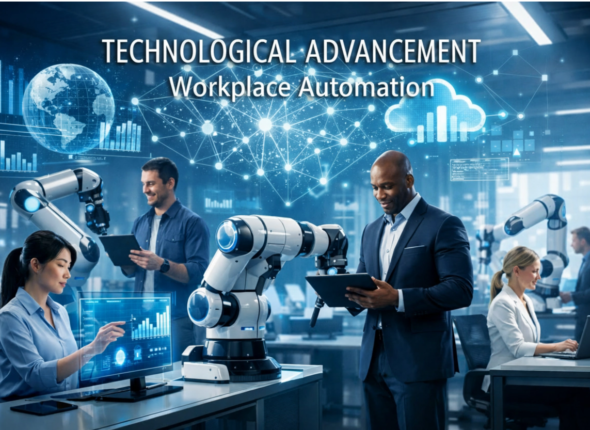
Technological Advancements and Workplace Automation
The global labor landscape is currently undergoing its most significant transformation since the Industrial Revolution. As of 2026, the convergence of artificial intelligence (AI), advanced robotics, and the Internet of Things (IoT) has moved beyond the realm of speculative fiction and into...

Outsourcing and its Effects on the Workforce
The landscape of global labor has undergone a seismic shift over the last few decades, evolving from a simple pursuit of lower manufacturing costs into a complex, multi-dimensional strategy that touches every facet of the modern enterprise. In 2026, outsourcing is no...

Importance of Collective Bargaining for Employee Agreements
In the rapidly shifting landscape of the 2026 global economy, the relationship between employers and employees is undergoing a profound transformation. As technologies like generative AI redefine job roles and remote work becomes a permanent fixture of the professional world, the mechanisms...

Role of Trade Unions in Protecting Worker Rights
In the modern global economy, the relationship between employers and employees is often characterized by a significant power imbalance. While individual workers may find themselves vulnerable to exploitation, unfair treatment, or unsafe conditions, the collective voice of labor has historically served as...
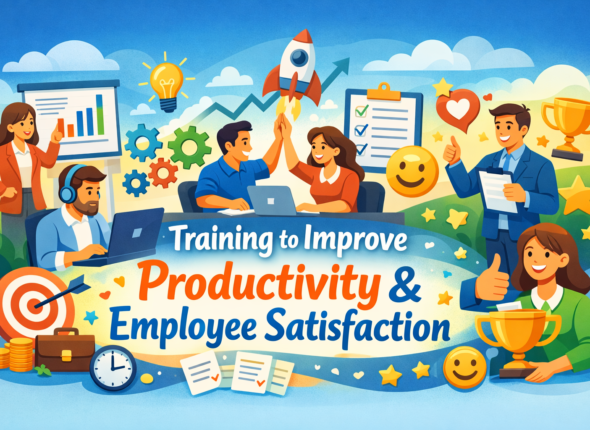
Training to Improve Productivity and Employee Satisfaction
In the contemporary corporate landscape, the traditional boundaries of the workplace are being redrawn by rapid technological advancement and shifting cultural expectations. Organizations today face a dual challenge that often feels like a zero-sum game: the relentless pursuit of higher productivity and...

Continuous Professional Development to Enhance Skills
In the rapidly evolving landscape of the twenty-first century, the traditional model of “learn, then work” has become obsolete. The velocity of technological advancement, particularly with the integration of artificial intelligence and globalized digital economies, has shortened the shelf-life of professional skills....
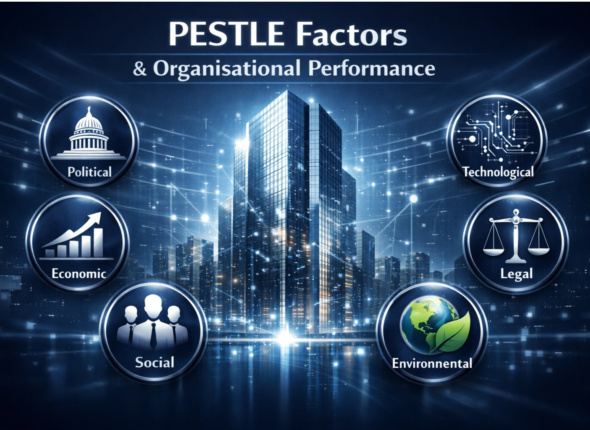
Effect of PESTLE Factors on Organisational Performance
Table of Contents In today’s dynamic business landscape, understanding the external environment is paramount for sustained organisational success. The PESTLE analysis framework provides a comprehensive lens through which businesses can examine the macro-environmental forces shaping their operations and strategic decisions. PESTLE, an...
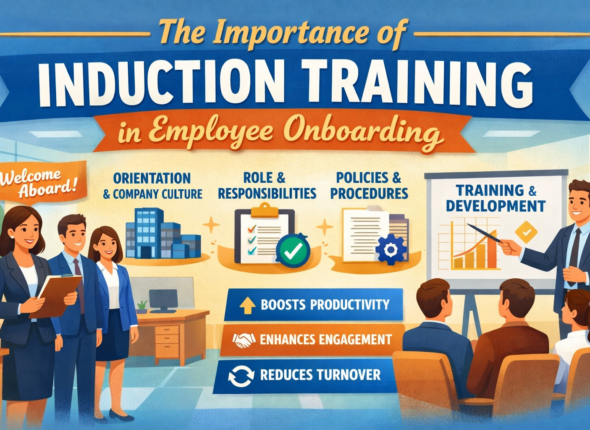
Importance of Induction Training in Employee Onboarding
The first few days and weeks in a new role are pivotal for any employee. Beyond the initial excitement, this period sets the tone for their entire tenure with an organization. It is during this critical phase that induction training emerges as...
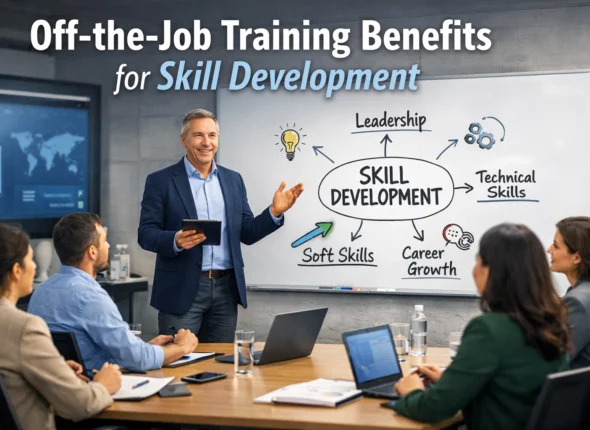
Off-The-Job Training Benefits for Skill Development
In the rapidly evolving landscape of the modern global economy, the traditional paradigms of professional development are undergoing a significant transformation. As industries are disrupted by technological advancements and shifting market demands, the necessity for continuous skill development has never been more...

On-The-Job Training Methods for New Employees
In the contemporary corporate landscape, the transition from recruitment to full productivity is a critical phase that defines both organizational efficiency and employee retention. While academic qualifications and previous experience provide a foundation, the specific nuances of a role are best mastered...