

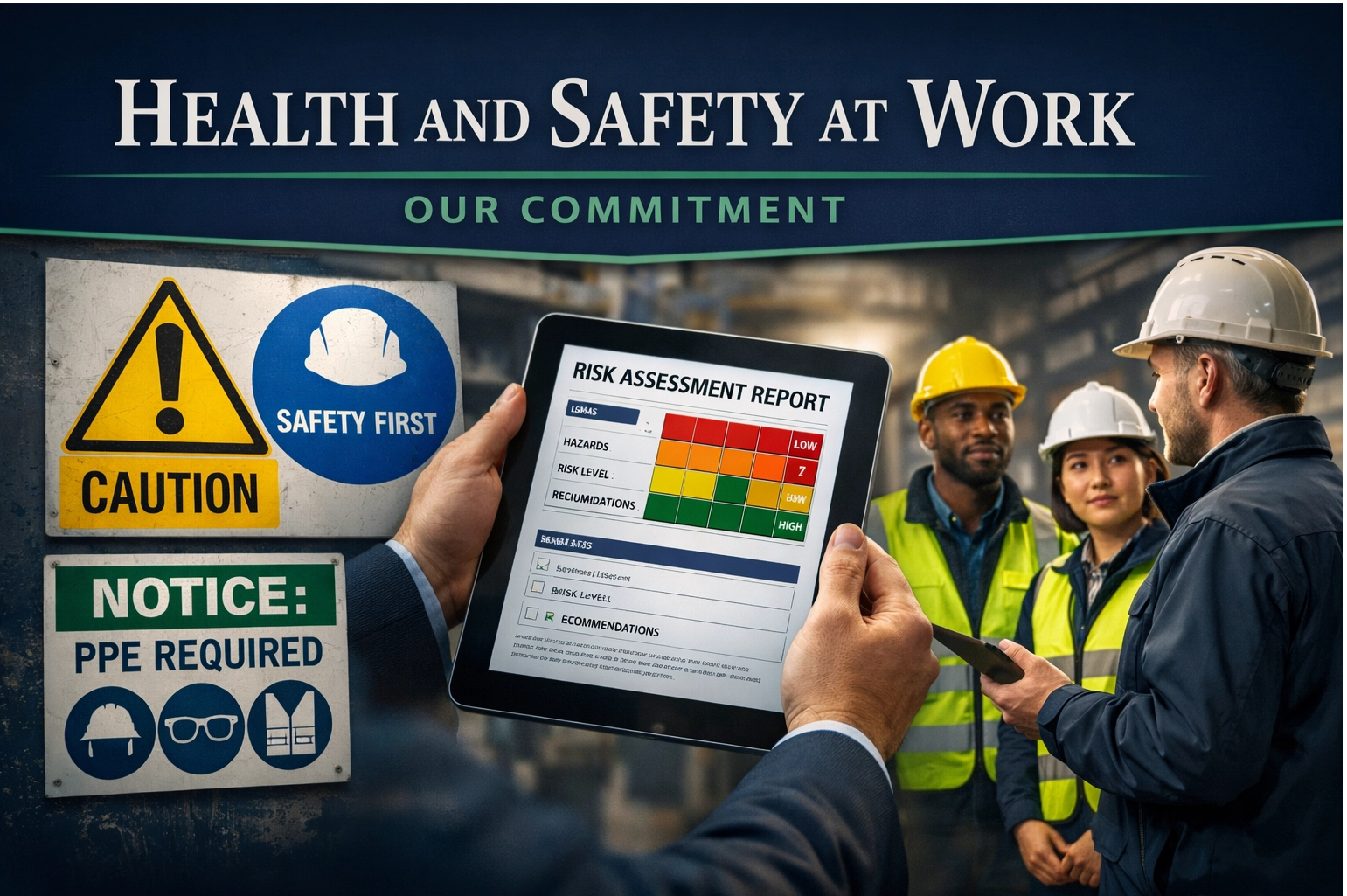
In the modern corporate landscape, the concept of workplace health and safety has evolved from a peripheral compliance requirement into a central pillar of organizational strategy. At its core, the responsibility for maintaining a safe and healthy work environment rests squarely on the shoulders of the employer. This duty of care is not merely a legal obligation but a fundamental ethical commitment to the individuals who contribute their time and talent to an enterprise. When an employer prioritizes health and safety, they are essentially investing in the most valuable asset of any business: its people. This blog post explores the multifaceted responsibilities of employers, including their Employer Responsibilities for Health and Safety, the legal frameworks that govern them, and the profound impact that a robust safety culture can have on business success.
The Legal Landscape: Understanding the Framework
The legal requirements for workplace health and safety vary by jurisdiction, yet they share a common objective: to prevent injury and illness in the workplace. In the United States, the Occupational Safety and Health Administration (OSHA) sets and enforces standards under the Occupational Safety and Health Act of 1970. Central to this is the “General Duty Clause,” which requires employers to provide a workplace free from recognized hazards that are causing or are likely to cause death or serious physical harm. Similarly, in the United Kingdom, the Health and Safety at Work etc. Act 1974 serves as the primary legislation, placing a duty on employers to ensure, “so far as is reasonably practicable,” the health, safety, and welfare of all their employees.
Beyond national laws, international standards such as ISO 45001 provide a global benchmark for occupational health and safety management systems. These frameworks emphasize a proactive approach, moving away from reactive measures toward a system of continuous improvement. For employers, understanding these legal and international standards is the first step in building a compliant and resilient organization. Failure to adhere to these regulations can result in severe penalties, but more importantly, it compromises the well-being of the workforce.
Core Employer Responsibilities
The practical application of health and safety duties involves several key areas of responsibility. These are not isolated tasks but interconnected components of a comprehensive safety management system.
Risk Assessments: The Starting Point
The cornerstone of any effective health and safety program is the risk assessment. Employers are responsible for identifying potential hazards in the workplace—whether they are physical, chemical, biological, or ergonomic. Once identified, the employer must evaluate the level of risk associated with each hazard and implement measures to eliminate or control it. This process must be ongoing, as new equipment, processes, or personnel can introduce new risks. A thorough risk assessment is not a one-time document but a living process that informs every other aspect of the safety program.
Safe Systems of Work
Once risks are identified, employers must develop and implement safe systems of work. These are documented procedures that outline how tasks should be performed to minimize risk. For example, a safe system of work for operating heavy machinery would include pre-start checks, specific operating instructions, and emergency shutdown procedures. By providing clear, standardized protocols, employers reduce the likelihood of human error and ensure that safety is integrated into daily operations.
Training and Information
An employer’s responsibility does not end with creating rules; they must also ensure that employees understand and can follow them. This requires comprehensive training and the provision of clear information. Training should be provided at the start of employment (induction), when new risks are introduced, and as regular refreshers. It must be accessible, meaning it should be delivered in a language and format that all employees can understand. Empowering employees with knowledge is one of the most effective ways to prevent accidents, as it enables them to recognize hazards and take appropriate action.
Equipment and Personal Protective Equipment (PPE)
Employers are legally required to provide the right tools for the job and ensure they are maintained in safe working order. This includes everything from office chairs and computer monitors to industrial lathes and scaffolding. When hazards cannot be fully controlled through other means, employers must provide Personal Protective Equipment (PPE) at no cost to the employee. This might include hard hats, safety goggles, gloves, or respiratory protection. Crucially, the employer must also provide training on how to use, store, and maintain this equipment correctly.
Record-Keeping and Reporting
Documentation is a vital, though often overlooked, responsibility. Employers must maintain accurate records of workplace injuries, illnesses, and “near misses.” In many jurisdictions, severe injuries or fatalities must be reported to the relevant authorities (such as OSHA or the HSE) within a specific timeframe. These records are not just for compliance; they provide valuable data that can be analyzed to identify trends and prevent future incidents. A transparent reporting culture is essential for identifying systemic issues before they lead to serious harm.
The Business Case: Why Safety is an Investment
While some may view health and safety as a cost center, the reality is that it is one of the most high-yield investments an organization can make. The financial benefits of a safe workplace are well-documented. According to various studies, including those by OSHA, businesses can see a return of $4 to $6 for every $1 invested in a workplace safety program. These returns manifest in several ways.
First, there is the direct reduction in costs associated with workplace accidents. This includes lower workers’ compensation insurance premiums, reduced legal fees, and the avoidance of government fines. Second, a safe workplace significantly boosts productivity. When employees feel safe and supported, they are more engaged, less stressed, and less likely to take time off due to injury or illness. High morale leads to lower employee turnover, saving the organization the substantial costs of recruiting and training new staff. Finally, a strong safety record enhances an organization’s reputation, making it more attractive to top talent, investors, and clients who prioritize ethical business practices.
Modern Challenges: Mental Health and Remote Work
The definition of the “workplace” has expanded significantly in recent years, bringing new challenges for employer responsibility. Health and safety are no longer confined to the physical office or factory floor.
Psychological Safety and Mental Health
Modern employers are increasingly recognized as having a responsibility for the psychological well-being of their staff. Stress, burnout, and mental health issues are significant workplace hazards that can lead to physical illness and decreased productivity. Employers are responsible for creating a culture of psychological safety where employees feel comfortable speaking up about their workload, workplace bullying, or personal struggles without fear of stigma or retaliation. Implementing mental health policies, providing access to Employee Assistance Programs (EAPs), and training managers to recognize signs of distress are now essential components of an employer’s duty of care.
The Remote and Hybrid Workforce
The rise of remote work has blurred the lines of employer responsibility. Even when an employee is working from home, the employer still has a duty to ensure their health and safety “so far as is reasonably practicable.” This primarily involves ergonomic considerations—ensuring that employees have a suitable workstation to prevent musculoskeletal disorders. Employers should provide guidance on setting up a home office and, in some cases, provide the necessary equipment. Furthermore, the employer must consider the mental health implications of remote work, such as isolation and the difficulty of “switching off,” and implement strategies to maintain communication and boundaries.
Building a Culture of Safety
Compliance with the law is the minimum requirement, but the most successful organizations go beyond compliance to build a true culture of safety. This starts at the top. Leadership must demonstrate a genuine commitment to health and safety, treating it with the same importance as financial performance or product quality. When executives and managers lead by example—following safety protocols and actively participating in safety meetings—it sends a powerful message to the entire workforce.
A robust safety culture also requires active employee engagement. Safety should not be something that is “done to” employees; it should be something they are part of. Employers should encourage workers to report hazards and suggest improvements, perhaps through a dedicated safety committee. By involving employees in the process, organizations can leverage their frontline expertise to identify risks that management might overlook. Continuous improvement, regular audits, and a “no-blame” approach to investigating incidents are all hallmarks of a mature safety culture.
The Cost of Non-Compliance
The consequences of neglecting health and safety responsibilities are severe and multifaceted. From a financial perspective, fines for safety violations can reach hundreds of thousands, or even millions, of dollars. Legal action from injured employees or their families can lead to devastating settlements and long-term litigation. Beyond the financial impact, the reputational damage can be irreparable. In an age of instant communication and social media, news of a preventable workplace tragedy can quickly alienate customers and partners.
However, the most significant cost is the human one. Every workplace injury or fatality represents a failure of the system and a tragedy for the individual and their loved ones. The emotional and physical toll on the workforce following a serious incident can linger for years, damaging morale and trust. For an employer, the weight of knowing that a tragedy could have been prevented through better safety measures is a burden that no business leader should have to carry.
Employer responsibilities for health and safety are extensive, complex, and ever-evolving. From the foundational legal requirements of OSHA and the HSE to the modern challenges of mental health and remote work, the duty of care is a continuous commitment. However, rather than viewing these responsibilities as a burden, forward-thinking employers recognize them as an opportunity. By investing in a safe, healthy, and supportive work environment, organizations protect their most valuable assets, enhance their productivity, and build a resilient foundation for long-term success.
Ultimately, workplace safety is about more than just avoiding fines or following rules; it is about valuing human life and dignity. When an employer takes their health and safety responsibilities seriously, they are not just building a better business—they are contributing to a better, safer society for everyone.